وطن / خبر & احداث /
 -
سهم
-

-

-

-

تحديث 3 منذ أيام
لماذا المزيد من الصناعات تثبت الفرصة على المدى الطويل

جينباو
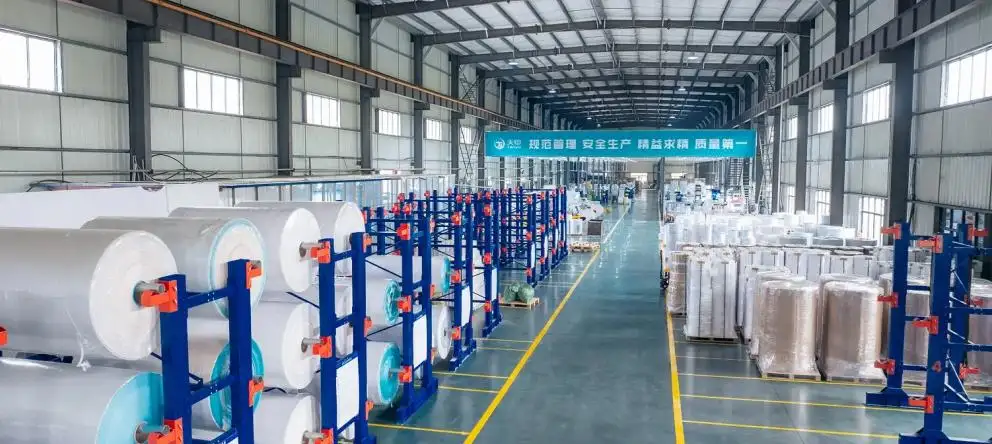
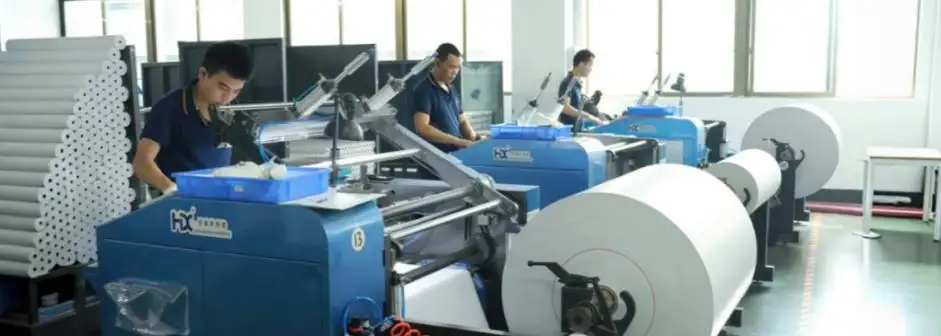
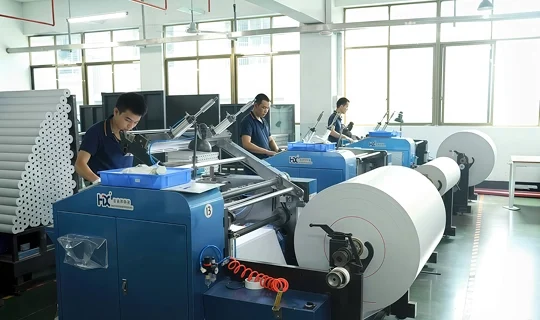
تدير Jinbao Paper مصنعا حديثا مع رقابة صارمة على الجودة وتصدر لفات الورق الحراري إلى أكثر من ذلك 20 دول في جميع أنحاء أوروبا, آسيا, والأمريكتان. تدعم الشركة تخصيص OEM, توصيل سريع, وأسعار تنافسية للعملاء العالميين.
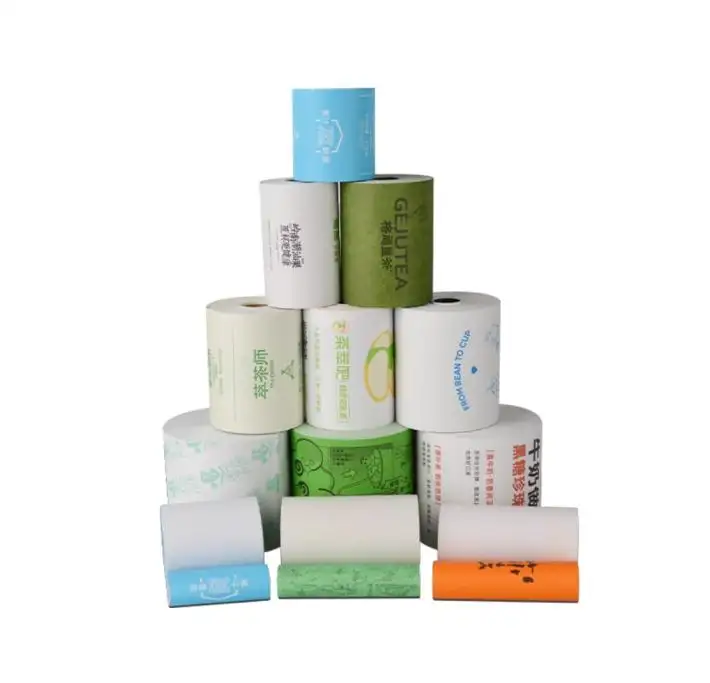
ورق Jinbao متخصص في إنتاج الورق الحراري, ورق النسخ, مخزون الملصقات, وغيرها من المواد الاستهلاكية الورقية. مع 34 سنوات من الخبرة في التصنيع والشهادات الدولية, تلتزم الشركة بتوفير مستدام, حلول عالية الجودة لاحتياجات الطباعة في جميع أنحاء العالم.
This perspective avoids the overused claims like “fast printing” أو “no ink required.”
بدلا, it answers a more important question:
Why do businesses continue to choose thermal paper year after year?
This is a question that most of the current top-ranking Google pages fail to explain clearly or systematically.
What Are the Hidden Values of Thermal Paper?
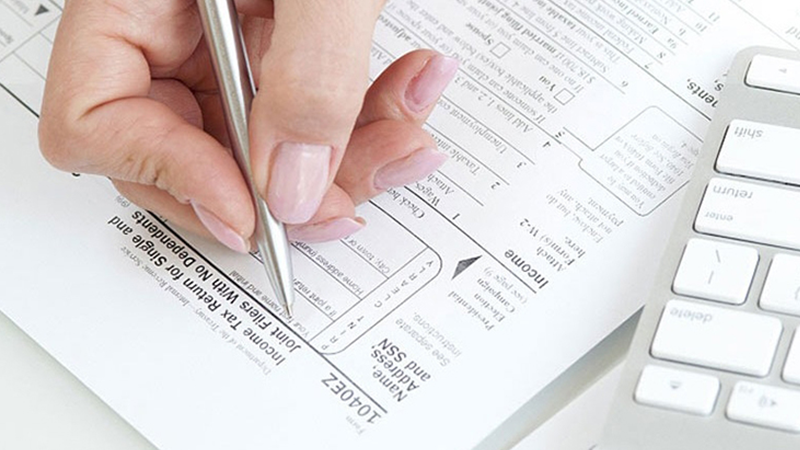
In most introductions, thermal paper is simply described as “a type of paper that prints without ink.”
لكن, in real business environments, companies continue to rely on thermal paper not because it can print, but because it creates structural advantages within systems, workflows, and cost control.
These values rarely appear in product specifications, yet they determine whether thermal paper is adopted temporarily—or locked in long term.
Why Do Businesses Stick With Thermal Paper by Default?
1. Thermal Paper Is Part of the System, Not Just a Consumable
في البيع بالتجزئة, السوقيات, الصحيه, and self-service terminals, thermal paper does not exist independently.
It functions as a fixed component within:
Printing hardware + software systems + operational workflows
Once a system is built around thermal printing, replacing it involves more than switching paper. It affects:
- Hardware compatibility
- Software configuration
- Staff operating habits
- Failure and downtime risk
This creates strong path dependency, making thermal paper the default long-term choice.
2. Thermal Paper Reduces Human-Related Uncertainty
Compared with inkjet or toner-based printing, thermal printing is far more predictable:
- No ink clogging
- No ribbon misalignment
- No manual color calibration
For chain stores, unmanned devices, and overnight operations, thermal paper acts as a risk-reduction tool, not just a printing material.
3. It Turns Printing Into a Background Action
In efficient operations, printing should never be a point of attention.
The real goal of thermal paper is simple:
It exists—but does not interrupt the workflow.
This is why it has become deeply embedded in checkout, sorting, and ticketing systems.
Where Do the Hidden Advantages of Thermal Paper Actually Show Up?
Advantage 1: Process Stability Matters More Than Single Print Quality
Many top-ranking articles emphasize print clarity.
للشركات, what matters more is:
- Stable output for 8–12 continuous hours
- No failures during peak periods
- Minimal human intervention
Thermal paper proves its value through long-term reliability, not one perfect print.
Advantage 2: Near-Zero Training Cost
Thermal printing requires almost no learning curve:
Load paper → Print → Done
In industries with high staff turnover—such as food service, التجزئه, and warehousing—this is a heavily underestimated advantage.
Advantage 3: Extremely Scalable for Multi-Location Expansion
When a system expands from 10 locations to 100 or even 1,000, thermal paper offers:
- Strong standardization
- Low error rates
- Centralized purchasing and management
This scalability explains why chain businesses consistently favor thermal solutions
A Different Perspective: Thermal Paper Is Not a “Backup Option,” but the Optimal One
Many articles ask:
“Can thermal paper be replaced by other printing methods?”
A better question is:
In which scenarios is thermal paper already the optimal solution?
The answer is when these conditions exist simultaneously:
- High frequency
- Immediate output
- Automation
- No long-term archiving requirement
In such cases, thermal paper is not a compromise—it is the most efficient choice.
Why These Advantages Will Not Disappear Anytime Soon
1. Automation Equipment Will Only Increase
Self-checkout systems, smart lockers, and unattended terminals naturally favor low-maintenance printing solutions.
2. Businesses Focus on Total System Cost, Not Unit Price
The real value of thermal paper lies in reducing:
- Maintenance effort
- Labor involvement
- Operational risk
- Downtime losses
These costs often far exceed the price of the paper itself.
3. Materials and Environmental Technologies Are Evolving
New coatings and phenol-free solutions are addressing historical concerns, keeping thermal paper aligned with regulatory and sustainability trends.
استنتاج: What Is the Real Competitive Advantage of Thermal Paper?
If thermal paper is viewed only as “paper that can print,” its value is easy to underestimate.
From a systems, سير العمل, and risk-control perspective, its real strengths are:
- Lower operational complexity
- Higher process stability
- Easy scalability
- Alignment with information lifecycle
That is why, in many industries, thermal paper is not repeatedly “chosen”—
it is simply kept by default.
كتب بواسطة
جينباو
تدير Jinbao Paper مصنعا حديثا مع رقابة صارمة على الجودة وتصدر لفات الورق الحراري إلى أكثر من ذلك 20 دول في جميع أنحاء أوروبا, آسيا, والأمريكتان. تدعم الشركة تخصيص OEM, توصيل سريع, وأسعار تنافسية للعملاء العالميين.
ورق Jinbao متخصص في إنتاج الورق الحراري, ورق النسخ, مخزون الملصقات, وغيرها من المواد الاستهلاكية الورقية. مع 34 سنوات من الخبرة في التصنيع والشهادات الدولية, تلتزم الشركة بتوفير مستدام, حلول عالية الجودة لاحتياجات الطباعة في جميع أنحاء العالم.
سنعود إلى الداخل 24 الساعات